Generators
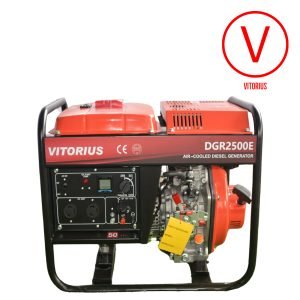
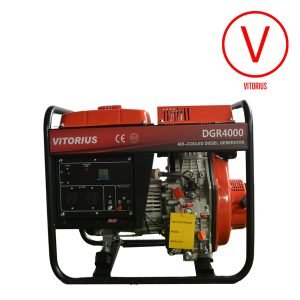
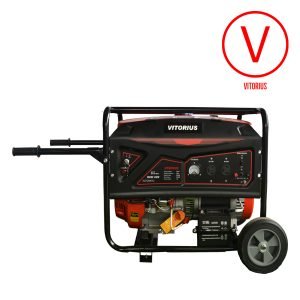
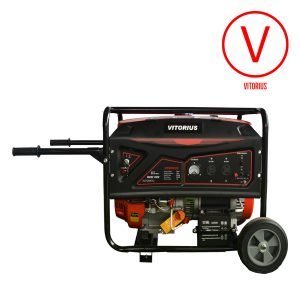
Diesel and gasoline generators are both types of portable power generators that provide electricity during power outages or in areas without access to the main power grid.
1. Diesel Generators:
– Diesel generators operate by burning diesel fuel in an internal combustion engine to produce electricity.
– They are known for their efficiency, reliability, and durability.
– Diesel generators are commonly used in industrial settings, construction sites, and as backup power sources for critical infrastructure.
– They are often preferred for their ability to provide continuous power for extended periods without refueling.
– Diesel generators typically have a higher initial cost compared to gasoline generators, but they tend to be more fuel-efficient and have lower long-term operating costs.
2. Gasoline Generators:
– Gasoline generators work similarly to diesel generators but use gasoline as their fuel source.
– They are typically more affordable and widely available than diesel generators.
– Gasoline generators are commonly used for residential purposes, outdoor events, camping, and other portable power needs.
– They are easy to start and require less maintenance compared to diesel generators.
– However, gasoline generators are generally less fuel-efficient and may require more frequent refueling, especially under heavy loads.
In summary, diesel generators offer better fuel efficiency and durability, making them suitable for heavy-duty applications, while gasoline generators are more affordable and convenient for lighter usage scenarios. The choice between them depends on factors such as power requirements, fuel availability, and budget.
Showing all 6 results